
Abraham Lincoln's evolving views on slavery, despite popular belief, weren't initially aimed at abolition. His initial goal was preserving the Union, not ending slavery. However, as the Civil War unfolded, Lincoln's perspective shifted, leading to the Emancipation Proclamation, which declared slaves in rebellious states free. This move altered the war's motivation towards abolition, culminating in the ratification of the 13th Amendment in 1865, officially abolishing slavery across all states. This progression in Lincoln's stance is believed to have been pivotal in the North's victory.
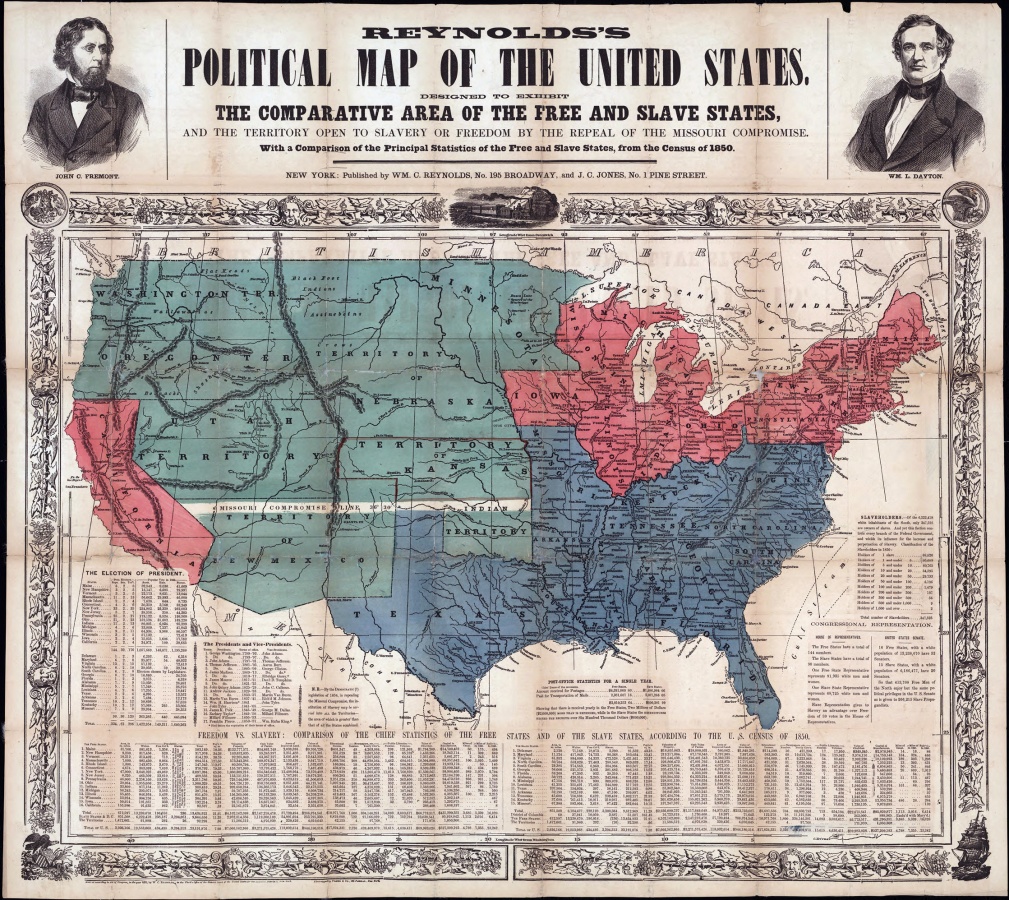
The Spread of Slavery and Westward Expansion in the United States
The rush westward in America was filled with excitement, wonder, and opportunity for many people that wanted to leave and start a new life. During this time period, people packed up their belongings and would set out to find a new home that better suit their wants and needs, whether this be physically or politically. … Continue reading The Spread of Slavery and Westward Expansion in the United States

