On October 29, 1929, the U.S. Stock Market crashed, resulting in a worldwide economic downturn lasting until 1941. This period in U.S. History is known as the Great Depression. My parents were both born in the early years of the Great Depression and often spoke of the hardships they endured as children, explicitly noting the scarcity of food and how they often went hungry. On this personal note, I was led to explore the digital archive “What America Ate.”
“What America Ate” is an outstanding digital archive that offers an immersive experience that explores food and food culture during the Great Depression in the United States. The site was created by Michigan State University’s Department of History. The project was three years in the making, and the website was launched in March 2023. The National Endowment for the Humanities Division of Preservation and Access funded the project.
Its creators collaborated with Michigan State University’s current Director and Principal Investigator, Historian Helen Zoe Veit, Peter Berg of Michigan State University Libraries, and Dean Rehberger of Matrix: Center for Digital Humanities and Social Sciences Michigan State University. The team worked with state archives and university libraries, collecting and digitizing thousands of documents related to American food during the Great Depression.
The site is a work in progress and is maintained and regularly updated by Michigan State University. According to the Newton Gresham Library Sam Houston State University’s article “Archive Discovery: A How-To Guide,” the site falls into the digital archive category.
The scope of the historical content of “What America Ate” covers various aspects of food and food-related subject matter. Government reports, personal diaries, newspaper articles, and photos from the Great Depression are elaborated upon. The timeline search engine provides access to material and documents dating from 1929 to 1942.
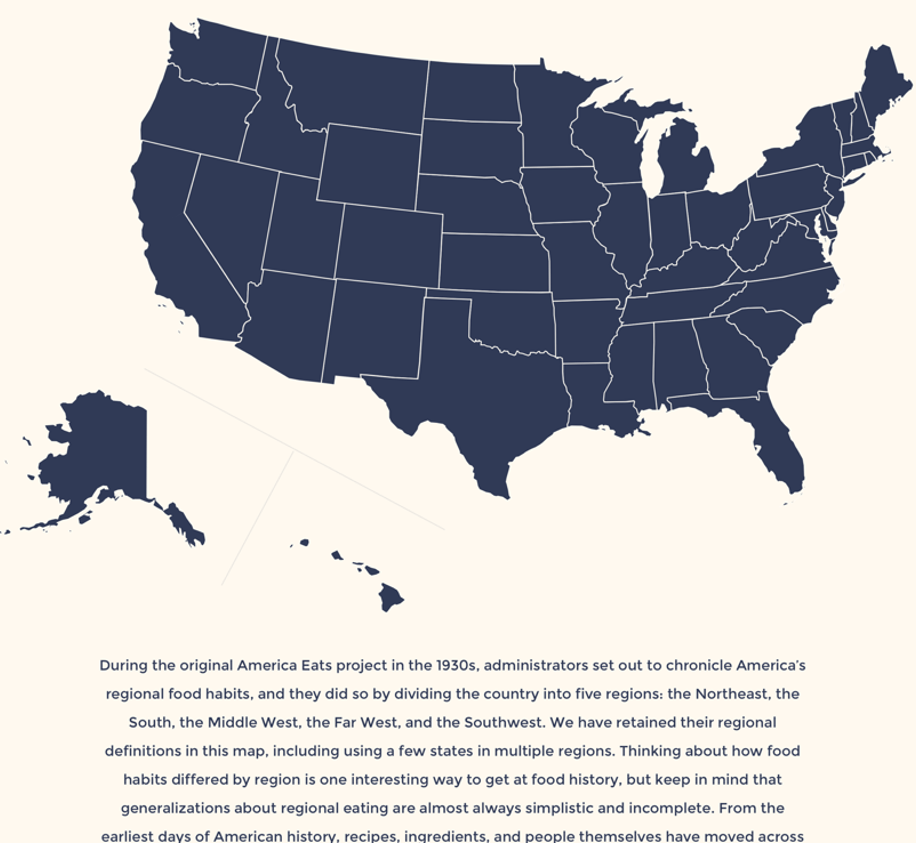
The variety and depth of the content ensure that the target audience of researchers, students, and the general public has access to a wealth of primary sources that shed light on the food culture, scarcity, and change during the Great Depression. You can search or browse archives, libraries, and collections. An interactive U.S. map is also available to investigate the popular food and recipes in specific geographical areas. The site’s goal is to provide comprehensive information on food and food-related topics during the Great Depression.
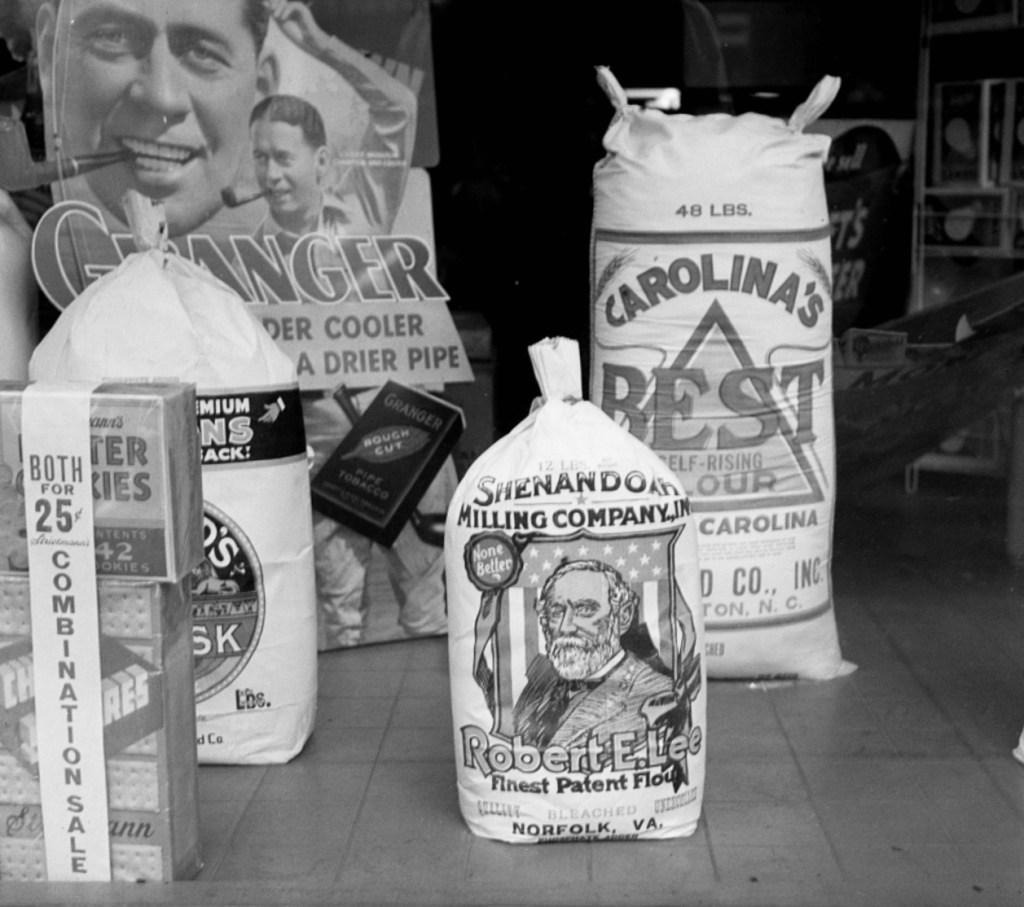
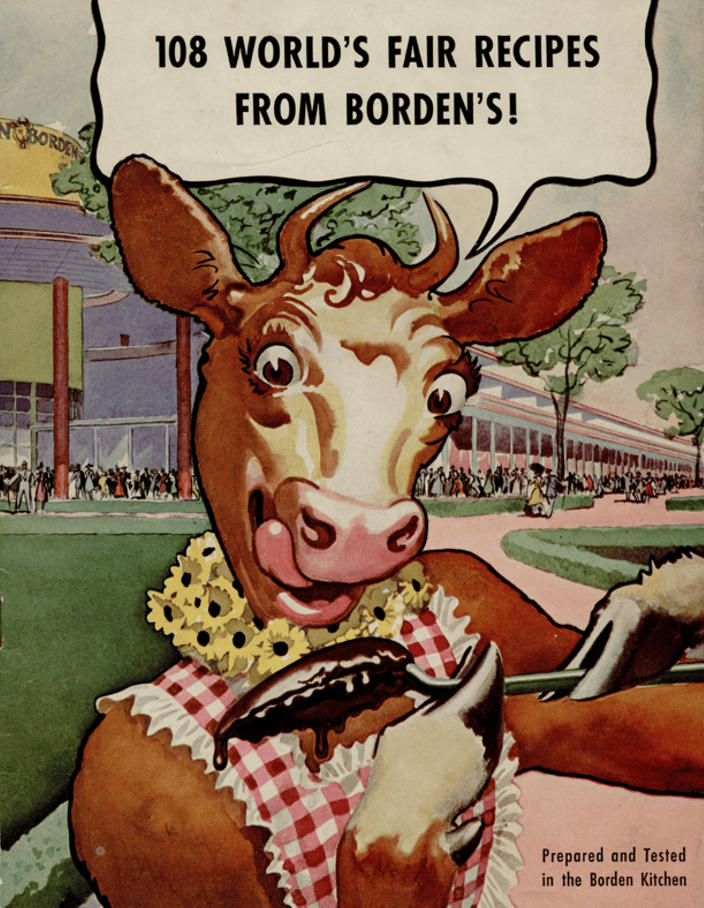
The source materials are diverse and comprehensive. They provide materials from the original American East Project (a project that explored food in the eastern U.S.), rare advertisements, over 200 rare community cookbooks, pamphlets, recipe leaflets, digitized documents, photographs, recipes, multimedia materials, and food packing materials produced by companies during this period.
Historically, the site also delves into the socio-economic and cultural aspects of the Great Depression. By contextualizing food within the broader historical narrative, the website helps users grasp the complex changes in the United States during the Depression, including shifts in dietary habits, food production, and government policies. Users will come away with a deeper understanding of the era’s challenges and the resilience of the American people during this period. The site is also dedicated to preserving and presenting historical content, demonstrating a solid commitment to accuracy by providing detailed metadata and citations for its materials. Expert commentary, interpretive essays, and primary sources contribute to the site’s authenticity. If I were doing a research paper on anything food-related during this period, chocolate, for example, this site would provide me with valuable resources.
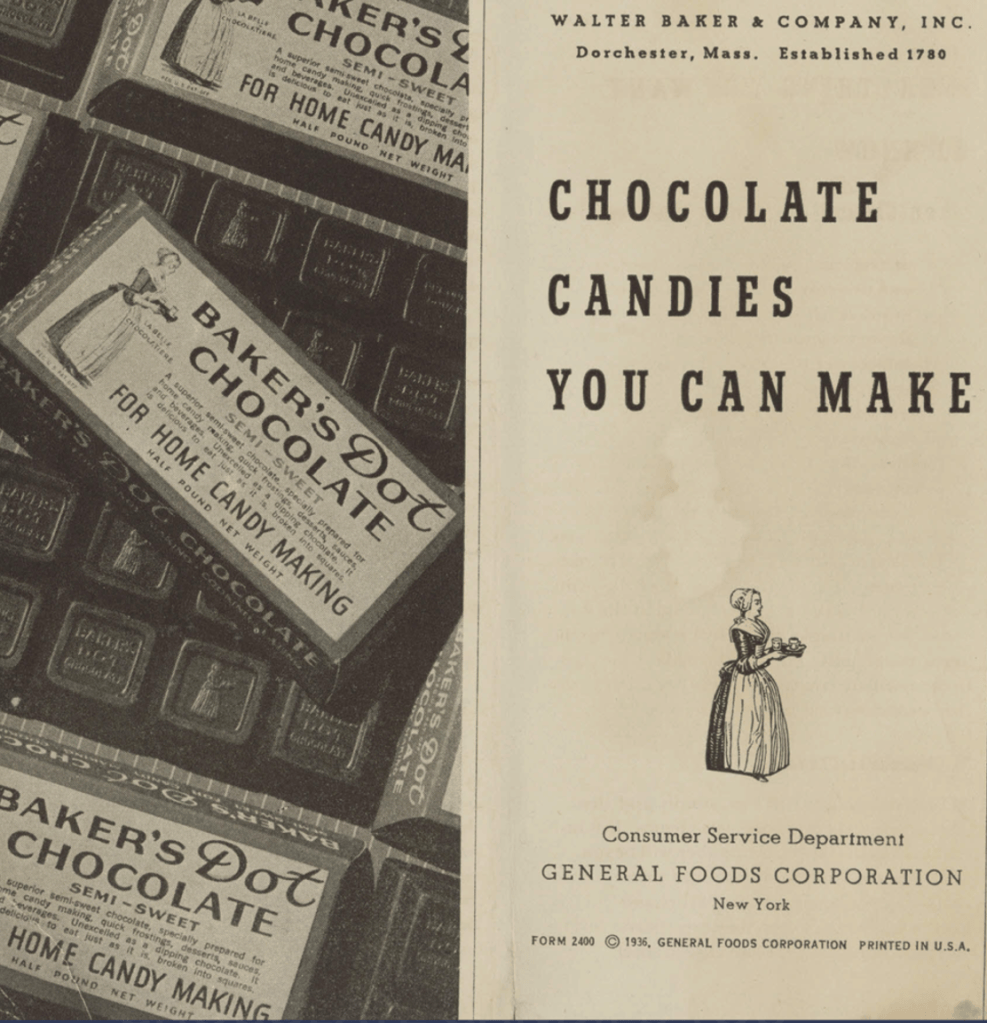
“What America Ate” delivers an intuitive and engaging user interface. The site’s layout and design are appealing and easy to navigate, with a handy search function for further archive exploration. The interactive features are impressive. You can peruse the U.S. map by state or region and create and share recipe collections, adding a personal element to the experience. This site would be ideal for historical research on the following Great Depression’s food-related topics:
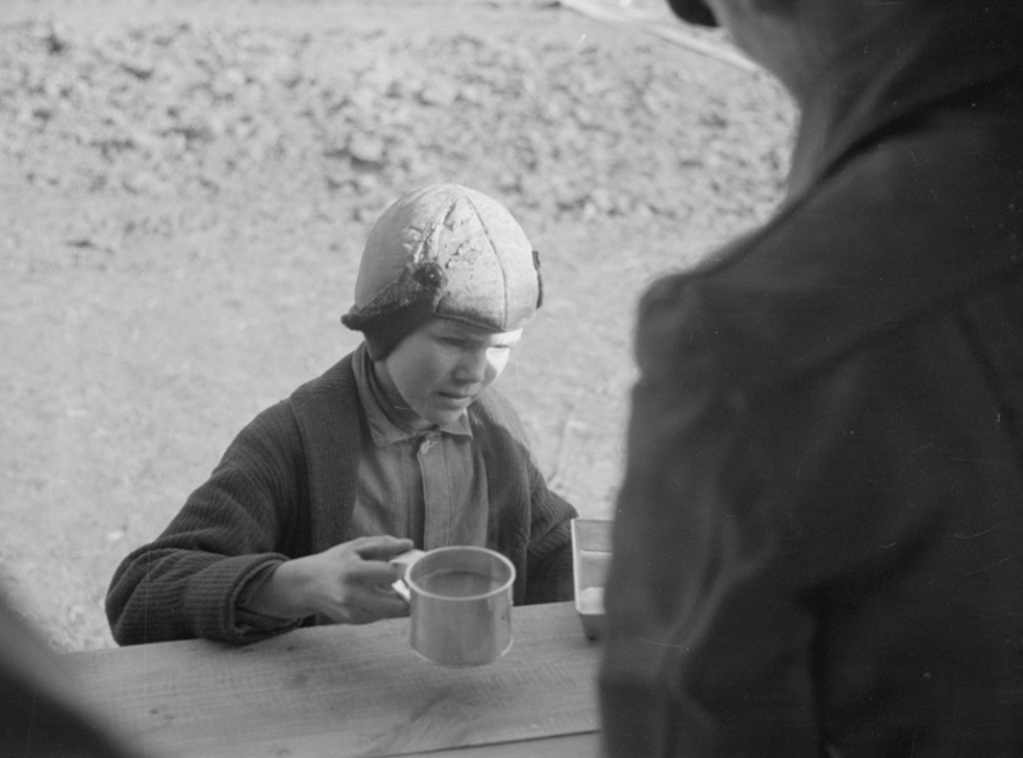
In conclusion, “What America Ate” is a model for how digital platforms can facilitate historical research and public engagement in a meaningful and accessible manner. The site effectively preserved and presented historical materials related to food culture during the Great Depression. This site’s digital technology far outweighs what could be shown in a book or museum exhibit—the search capabilities and the ability to update the website with new materials are perfect examples.
If I were researching food advertising, cookbooks, or recipes from this period (1929-1941), the digital archive material on this site would provide me with a wealth of information. Considering the site’s specific timeline (The Great Depression) and its focus on food and food-related subjects, I highly recommend it to students. Also, after reviewing the following search results provided by Googling “Food and the Great Depression”:
- Foods of the Great Depression: From Peanut to Butter-Stuffed Onions to Edible Lint.
- Food 1929-1941.
- The Great Depression and the Dust Bowl: 1929-1941.
I determined that the “What America Eats” website provided the most comprehensive information. I undoubtedly would return to this site for a research paper, as it would provide me with diverse primary and secondary resources.


